The First Impression · An origin story from Thomas Broadside Co.
★Thomas Broadside Co.Cart

Philadelphia / The night of July 4, 1776

The First
Impression.

Before it was a relic,
it was news.

Read the story ↓

A printer. A working night.
A document on its way to the world.

Dramatized reconstruction

The document had to leave the room.

An idea can change history.
A printed sheet can carry it.

The Declaration did not begin behind glass. It went to a working print shop. Then it traveled: to assemblies, commanders, public readings, and the people who would have to live with its words.

This is the heritage we return to. Different hands. Different roles.
A shared conviction that public words must reach the public.

Dramatic reconstruction of Benjamin Franklin studying a manuscript by a Philadelphia window.
Benjamin Franklin, imagined in June 1776. Contemporary reconstruction.

01 / Benjamin Franklin / The printer's eye

He knew what a page could do.

The craft, before the founding

Long before the Declaration, Franklin made his living in print. Almanacs, pamphlets, newspapers: useful words, carried into ordinary life.

In June 1776, he brought that practiced attention to the Declaration's draft. The surviving manuscript records changes associated with Franklin and John Adams. The words passed through more than one careful hand.

Read the sources: Franklin, printer and writer · Jefferson's original Rough draught

Bring Franklin into the room ↗
Dramatic reconstruction of the young Thomas Jefferson drafting at a wooden writing desk.
Thomas Jefferson drafting, imagined in June 1776. Contemporary reconstruction.

02 / Thomas Jefferson / The working draft

The words were worked on.

Philadelphia / June–July 1776

Jefferson was the principal draftsman. His colleagues and Congress revised the text before its adoption on July 4. The original Rough draught is full of the marks of that work.

A source lets us see the changes. It gives us the words in context, with the distance between an early draft and the text sent into the world.

Read the sources: Jefferson's original Rough draught · Declaring Independence: drafting the documents

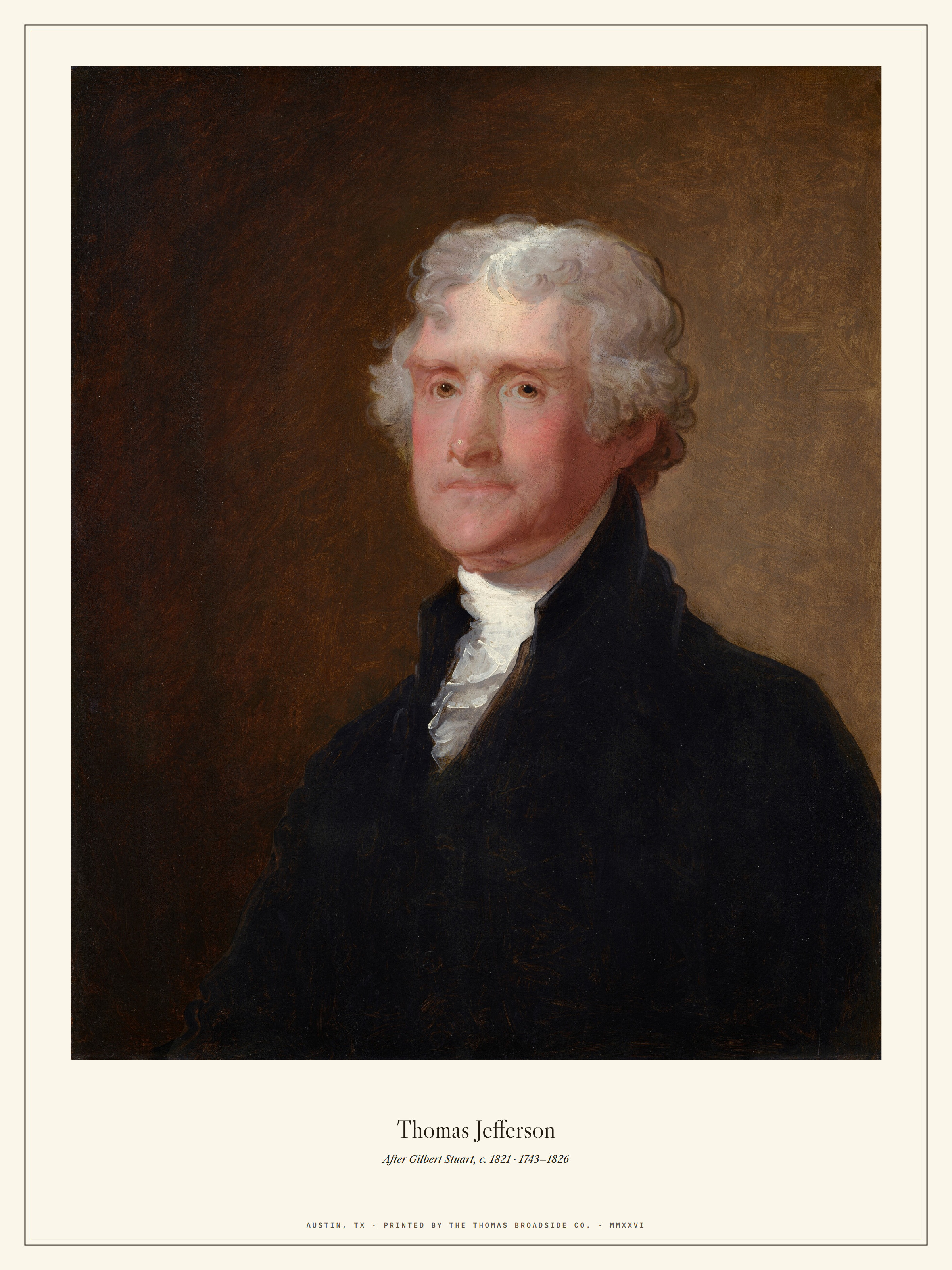
Explore the Jefferson portrait ↗
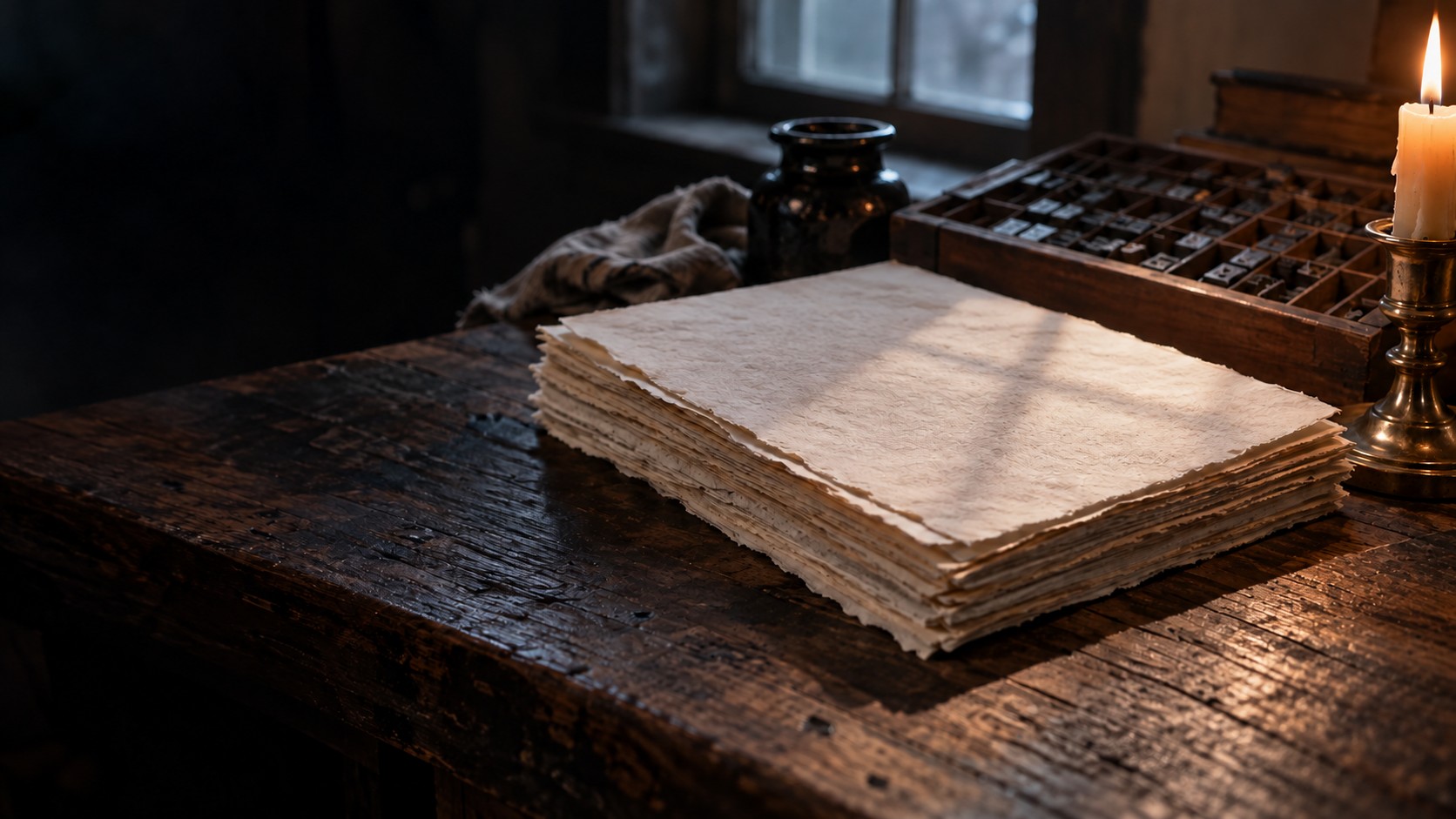
Reconstructed candlelit eighteenth-century shop with a printer at a wooden common press.
Dunlap's working night, imagined. The room, operator and action are reconstructed.

03 / John Dunlap / The first impression

A declaration needed a printer.

Philadelphia / July 4–5, 1776

After Congress approved the text, it went to John Dunlap's Philadelphia shop. Through the night of July 4 and into July 5, the Declaration became a printed broadside: a sheet carrying type on one side.

Copies were dispatched to assemblies, committees and military commanders. The first public Declaration was a work of printing. Its words could leave the room where they had been adopted.

Read the sources: The first printing, July 4–5, 1776 · Printing the Declaration of Independence

Discover our Declaration ↗
Dramatic reconstruction of Washington listening beside an officer reading a broadside to troops.
A reading to Continental troops, imagined. Washington ordered the reading; the scene is reconstructed.

04 / George Washington / Words made public

The sheet became a voice.

New York / July 9, 1776

John Hancock sent a printed copy to Washington on July 6. On July 9, Washington had the Declaration read aloud to the troops assembled in New York.

A printed document could be read by one person and heard by many. Paper carried the text; a human voice carried it farther. A fragment of Washington's copy survives in the Library of Congress.

Read the sources: Washington's copy of the Declaration

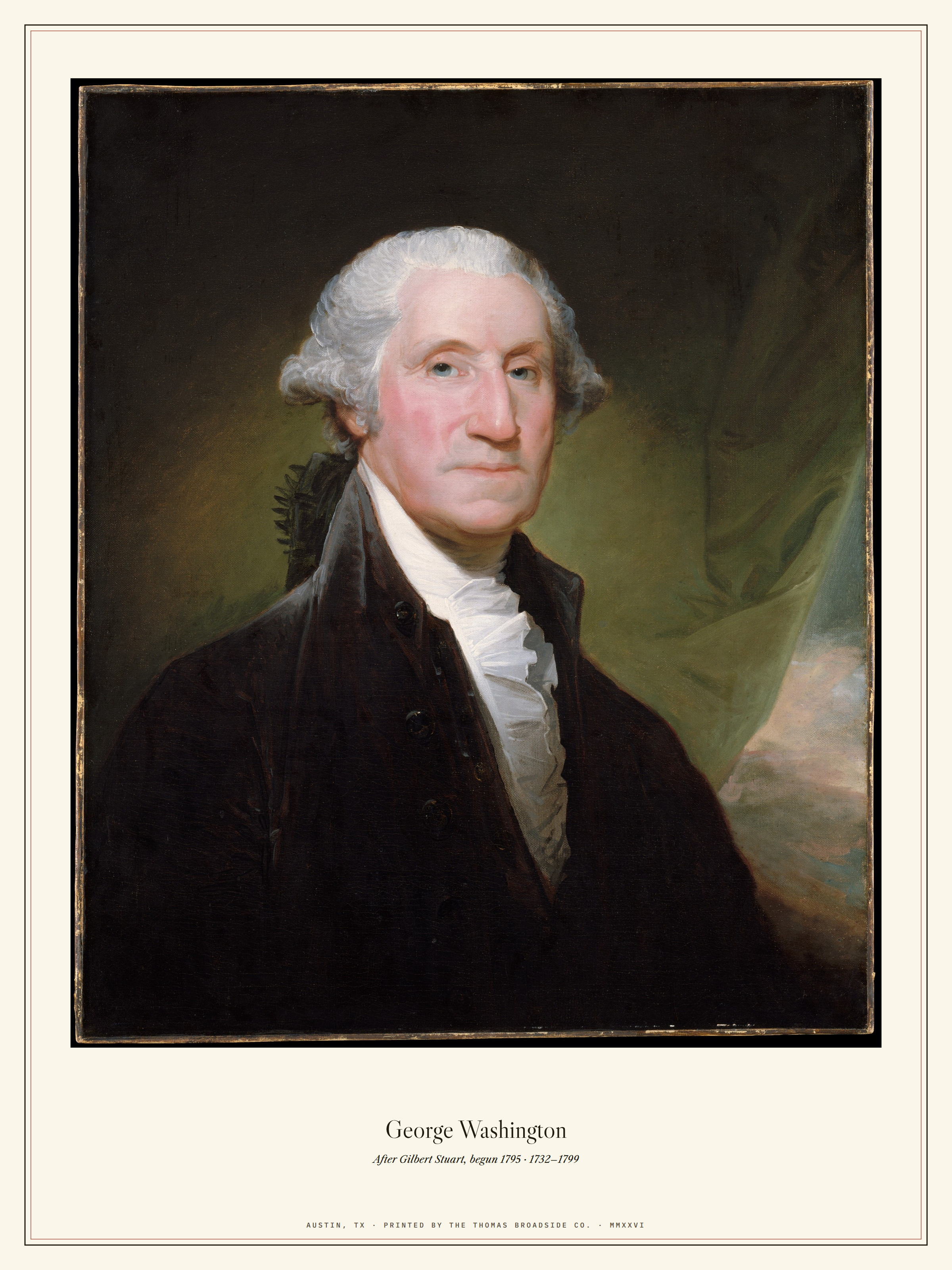
Explore the Washington portrait ↗
Dramatic reconstruction of Alexander Hamilton writing beside newspaper sheets in 1787.
Hamilton during the ratification debate, imagined in 1787. Contemporary reconstruction.

05 / Alexander Hamilton / The argument in print

The argument kept moving.

New York / 1787–1788

The founding did not end in July 1776. During the debate over the Constitution, Hamilton, James Madison and John Jay wrote as Publius, arguing for ratification through print.

Their Federalist essays reached readers through New York newspapers. This was a later debate, with different authors and a different document. Print was again a way to put an argument before the public.

Read the sources: The Federalist in historic newspapers

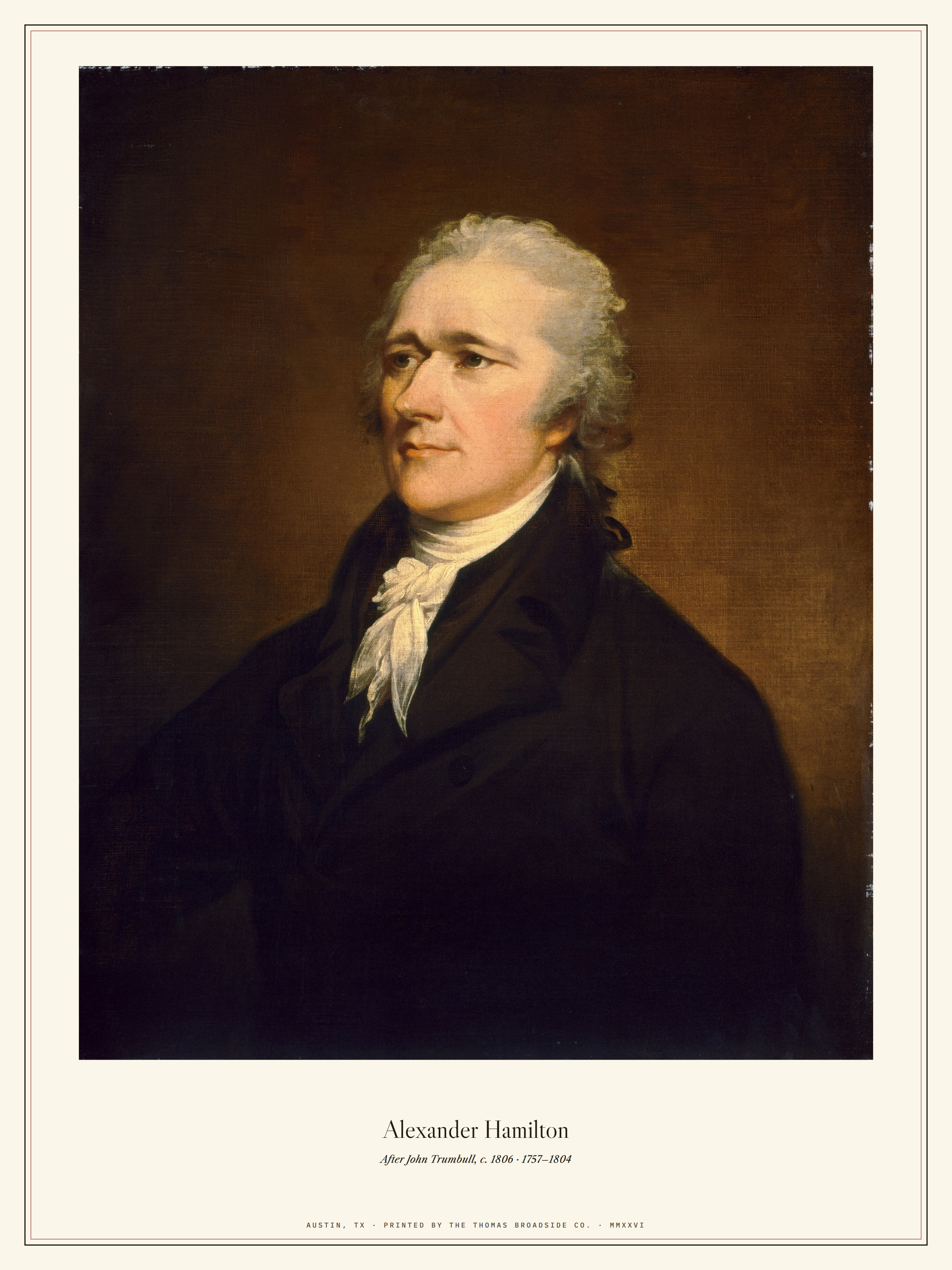
Explore the Hamilton portrait ↗

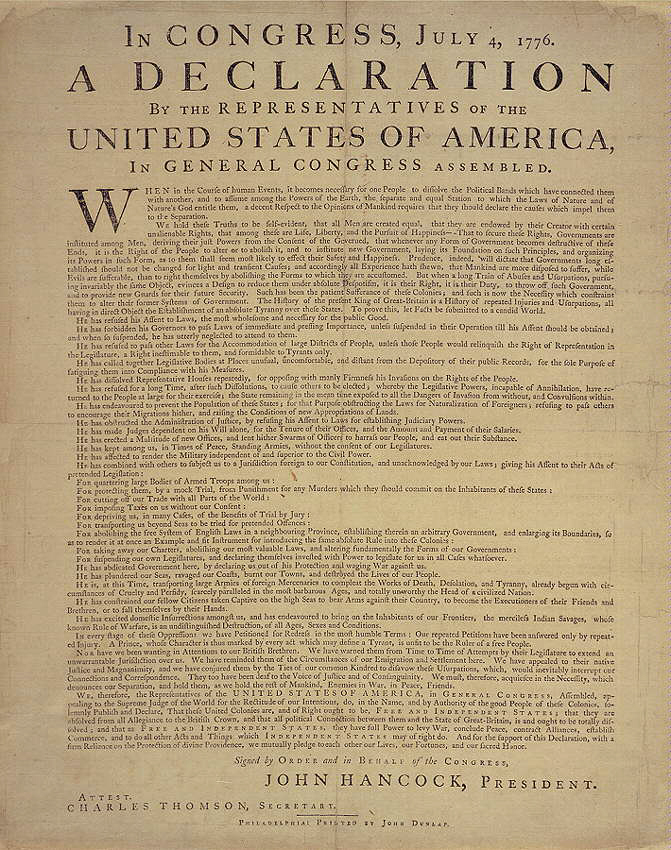
The surviving document / July 1776

Look at the
first printing.

The historical scenes above are contemporary reconstructions. This is the document itself: a surviving Dunlap broadside, reproduced by the Library of Congress.

The printed names of John Hancock and Charles Thomson appear at the foot. The familiar parchment bearing the delegates’ signatures came later.

Examine the original at the Library of Congress ↗

Reference reproduction: Library of Congress, Declaring Independence exhibition. Read the document chronology.

Surviving Dunlap broadside headed In Congress, July 4, 1776, with the Declaration text in one column.
First printing. One side of one sheet.
Philadelphia / John Dunlap / July 4–5, 1776
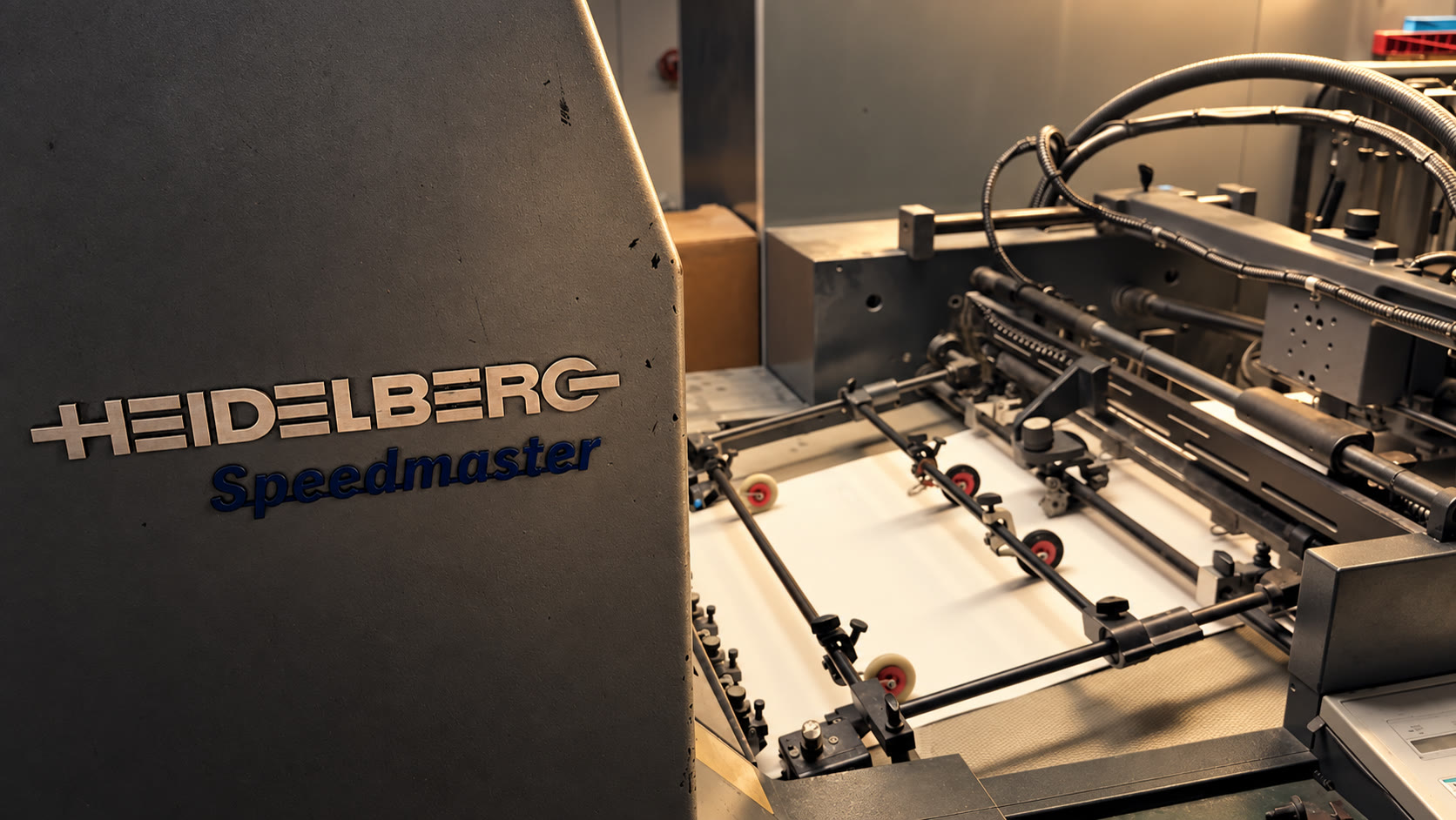
The Heidelberg press in the Thomas Graphics shop in Austin.

06 / The work continues / Austin, Texas

Different century.
Same conviction.

A working press. A sheet you can hold. Words with a source you can follow. At Thomas Broadside Co., the heritage becomes something to live with, read again, and pass on.

Step onto our shop floor ↗

Make your own first impression

Give the words
a place in your life.

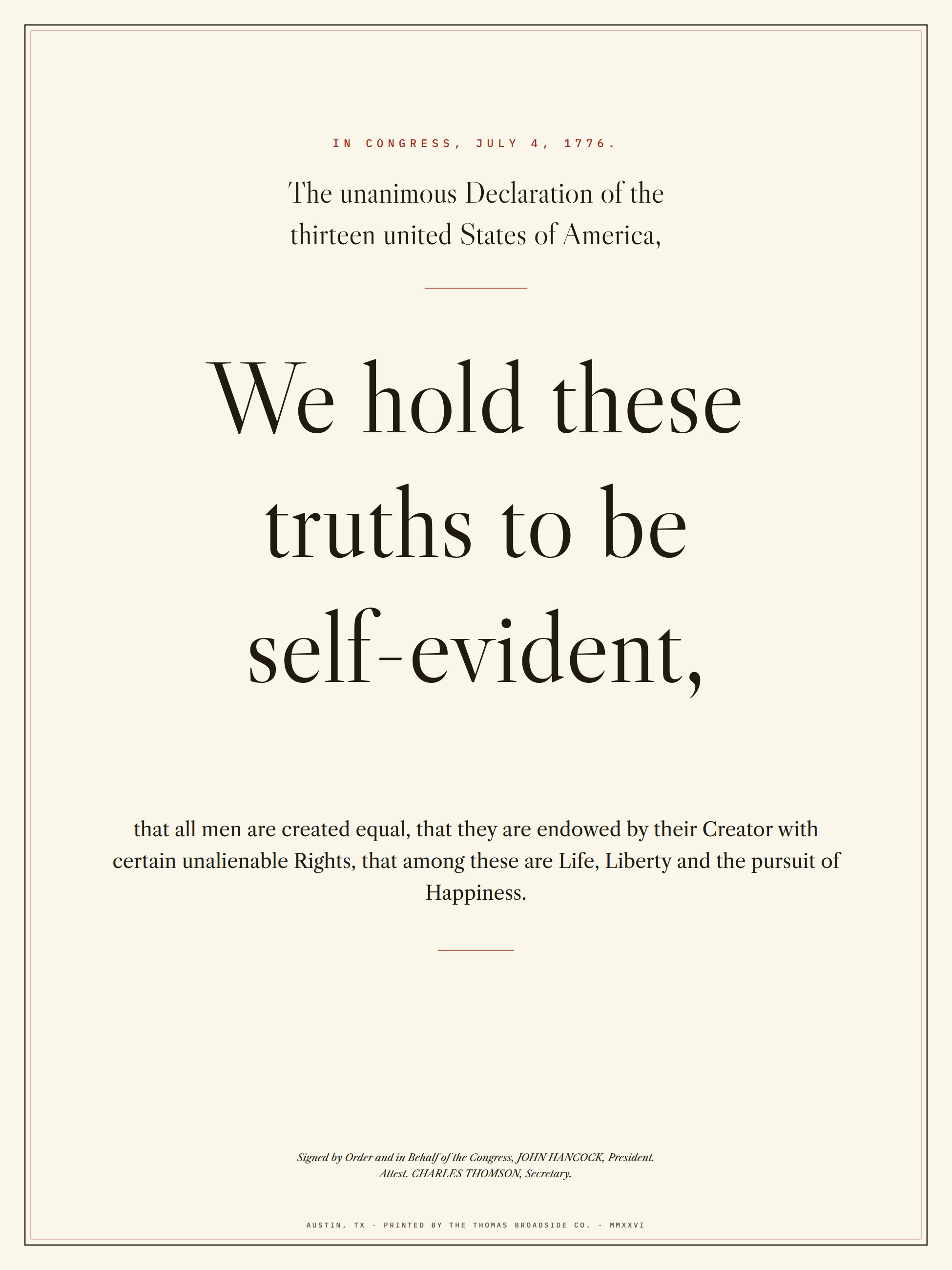
Our Declaration is a contemporary composition of its celebrated passage, set in Caslon and printed in Austin. Inspired by the broadside tradition; a new design, with its source on the sheet.

A contemporary print, not an original artifact or a facsimile of Dunlap’s complete broadside.

Discover the Declaration ↗Explore the founding documents
The Thomas Broadside Co. Declaration design in Caslon, black and red on cream.

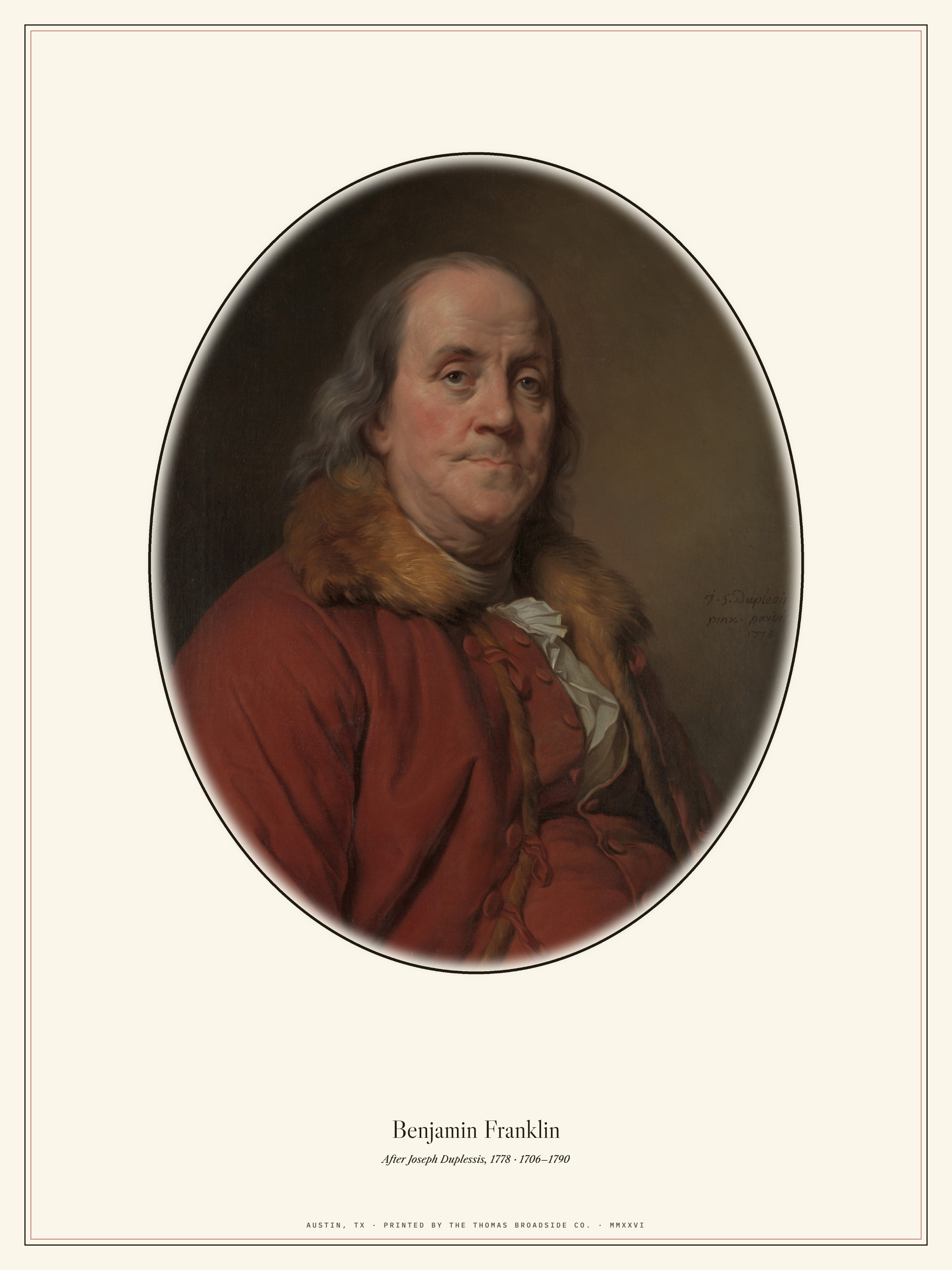
Historical portraits from the collection. Explore each sheet for the artwork, attribution, paper and available formats.

The record behind the story

Keep the source.

History deserves more than atmosphere. These institutional collections anchor the dates, documents and roles in this story.

Sources & historical context
  1. The first printing, July 4–5, 1776Library of Congress / National Archives

    The surviving printed broadside and the dispatch of copies on July 5. Historical print-run and survivor counts are intentionally omitted.

  2. Jefferson's original Rough draughtLibrary of Congress, Jefferson Papers

    Draft, alterations by Adams and Franklin, and congressional revisions. The approved text preceded the later engrossed parchment.

  3. Franklin, printer and writerLibrary of Congress

    Primary printed examples of Poor Richard's Almanack and Franklin's printing work.

  4. Washington's copy of the DeclarationLibrary of Congress, George Washington Papers

    Hancock sent the printed Declaration to Washington on July 6; Washington had it read to the troops in New York on July 9.

  5. The Federalist in historic newspapersLibrary of Congress

    Essays by Hamilton, Madison and Jay under Publius, supporting ratification in 1787–1788; the guide indexes original newspaper printings.

  6. Printing the Declaration of IndependenceLibrary of Congress, Rare Book and Special Collections

    The approved wording was sent to Dunlap's shop; the first printing belongs to the evening of July 4 and early July 5.

  7. Declaring Independence: drafting the documentsLibrary of Congress

    The vote for independence on July 2, adoption on July 4, and the later engrossed copy ordered July 19 and signed beginning August 2.

The promise of equality in the Declaration coexisted with slavery and exclusion. These sources let us read both the words and their historical setting. This campaign celebrates public access to documents, without presenting the founders as a single voice or an uncomplicated ideal.

About the scenes & film transcript

The opening study and five historical chapter scenes are dramatized contemporary reconstructions. Rooms, gestures, incidental people and actions are imagined; they are not archival footage or recorded events. The narration is a modern account, not the founders’ voices or quotations. The Austin press footage records the actual shop. Music is a contemporary cinematic score.

Film transcript. Before it was a relic, it was news. And news needed a printer. Benjamin Franklin knew the power of print long before he helped shape the Declaration. Thomas Jefferson drafted the words. His colleagues and Congress revised them. On the night of July fourth, seventeen seventy-six, John Dunlap’s shop set the Declaration in type. Copies traveled. On July ninth, Washington had the Declaration read to his troops in New York. A decade later, Hamilton, Madison, and Jay used print to argue for the Constitution as Publius. Different hands. Different roles. One enduring idea: public words must reach the public. We carry that conviction onto our press in Austin. Read the words. Keep the source. Make your own first impression.

Open the film in your media player
THE FIRST IMPRESSION / THE ORIGIN FILM

An opening study. Five distinct historical chapters. Two views of our working Austin press. English captions are available in the player.

Discover the collection ↗